"Creatives need to get out of the artistic ivory tower"

As one of Europe's top advertisers, Ogilvy's Head of Creative Stephan Vogel is observing the digital revolution in the creative industry. His plea: creatives and technicians, unite! That way, talents will stay ahead of the game tomorrow despite AI.

Stephan, you only started in the creative industry at the age of 34 as a "late starter", so to speak, but have now been in it for almost 30 years: where does the industry currently stand from your perspective?

The work of creative agencies is more interesting than ever. I came into advertising when everything was still dominated by mass media and paid media. There were penetration strategies and discount campaigns. Now everyone knows that with more courage and creativity, a much stronger and more likeable connection can be established with all possible target groups. This saves millions in media and billboard space, but thanks to the interlinking of PR and social media, millions of views can be generated.

What opportunities and challenges does the digital revolution offer in this respect?

I see the digital revolution as an incredible opportunity. It's like in music: there are cover bands that don't write their own songs but perform successfully because they play songs that are well received. As a discerning creative, on the other hand, I want to compose my own music and look for something in the expression, form or idea that didn't exist before. Digital media help me with this. They allow me to play with samples technologically and to check very quickly whether my idea is really original and original. That is invaluable.

"The work of creative agencies is more interesting than ever."

Which particularly original "song" do you remember from your work?

The "Save yourself the flight" campaign, for example, which I designed for Deutsche Bahn. There we juxtaposed exciting, very distant landscapes one-to-one with almost identical landscapes in Germany. A canyon in Arizona with the Saarschleife, for example. In addition to a classic online display campaign and influencer marketing, we ran a real-time price comparison of flight and train tickets on Facebook, in which the algorithms of the four platforms interacted with each other in an artistic way. That was new.

A complex data project.

Exactly, with Facebook I know where the recipient is and what interests he or she has. I know whether the person would prefer to fly to the USA or Asia and where the nearest airport is. Everything is linked in real time so that the advert always shows the current cheapest flight price with the constant 19-euro rail offer and the corresponding landscapes.

What role can AI play in campaigns like these?

Technology means progress. I think that's fundamental and anyone who turns their back on AI is creating their own handicap. Creatives should embrace, learn, master, understand and work with these technologies to get faster and better results.

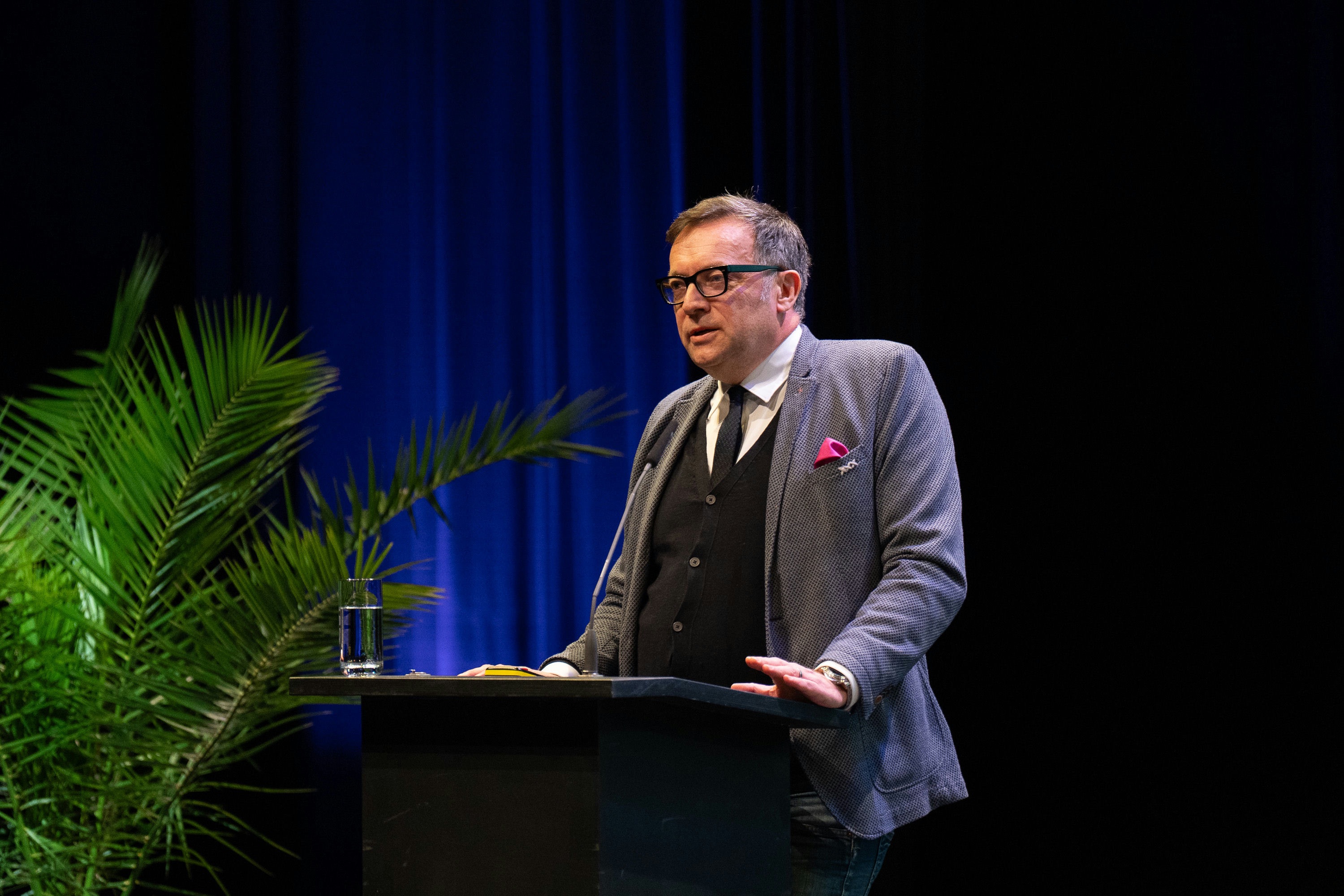
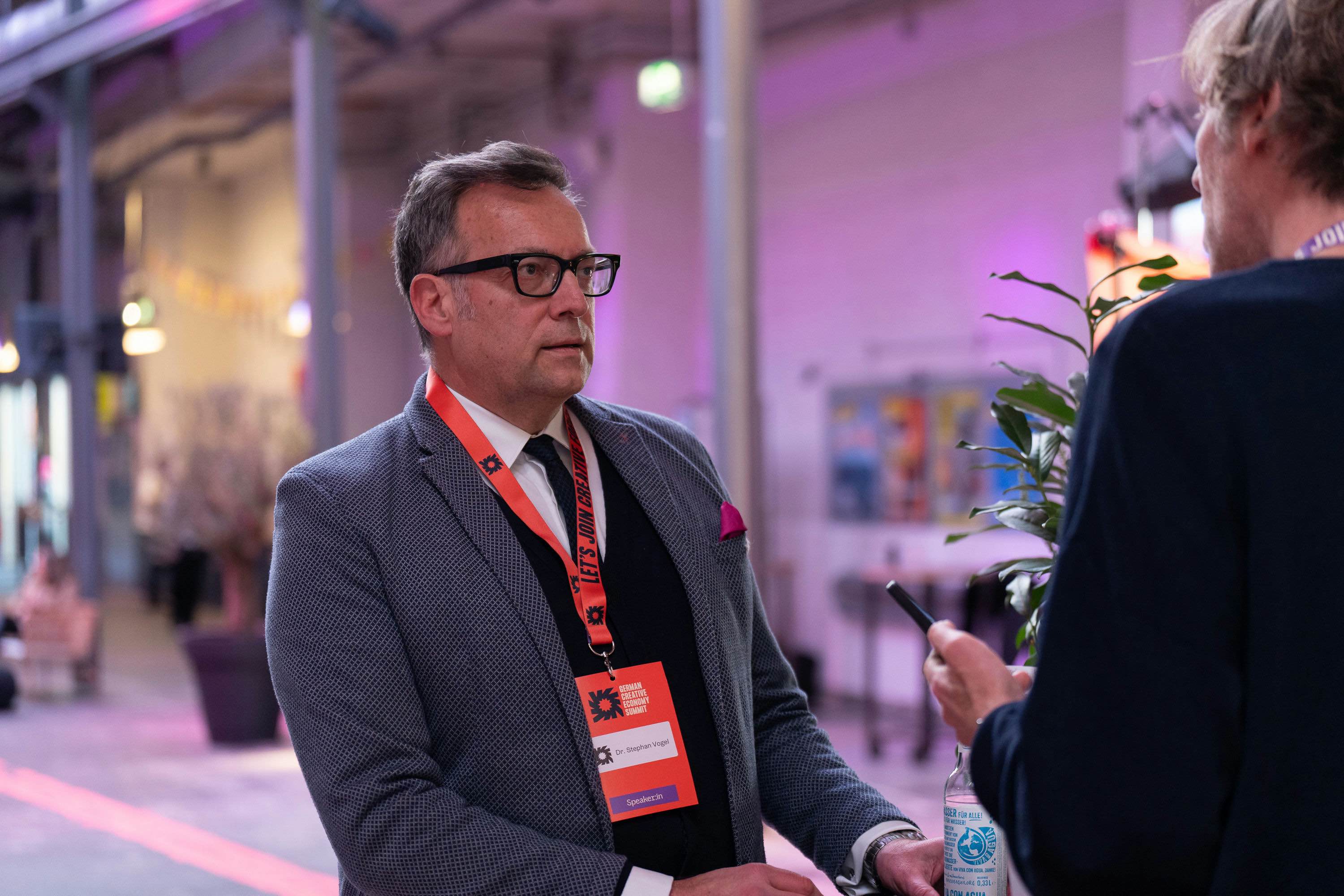
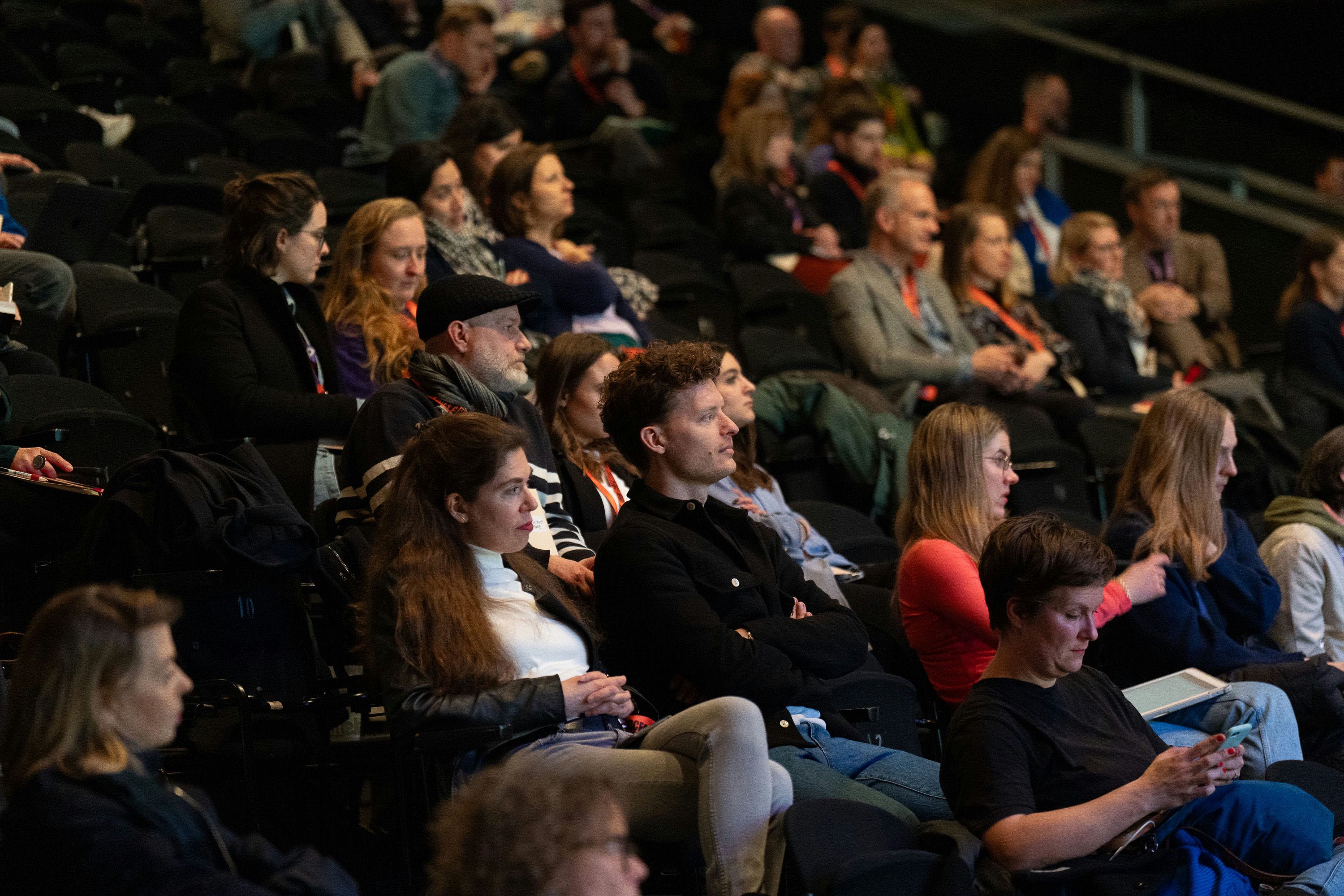
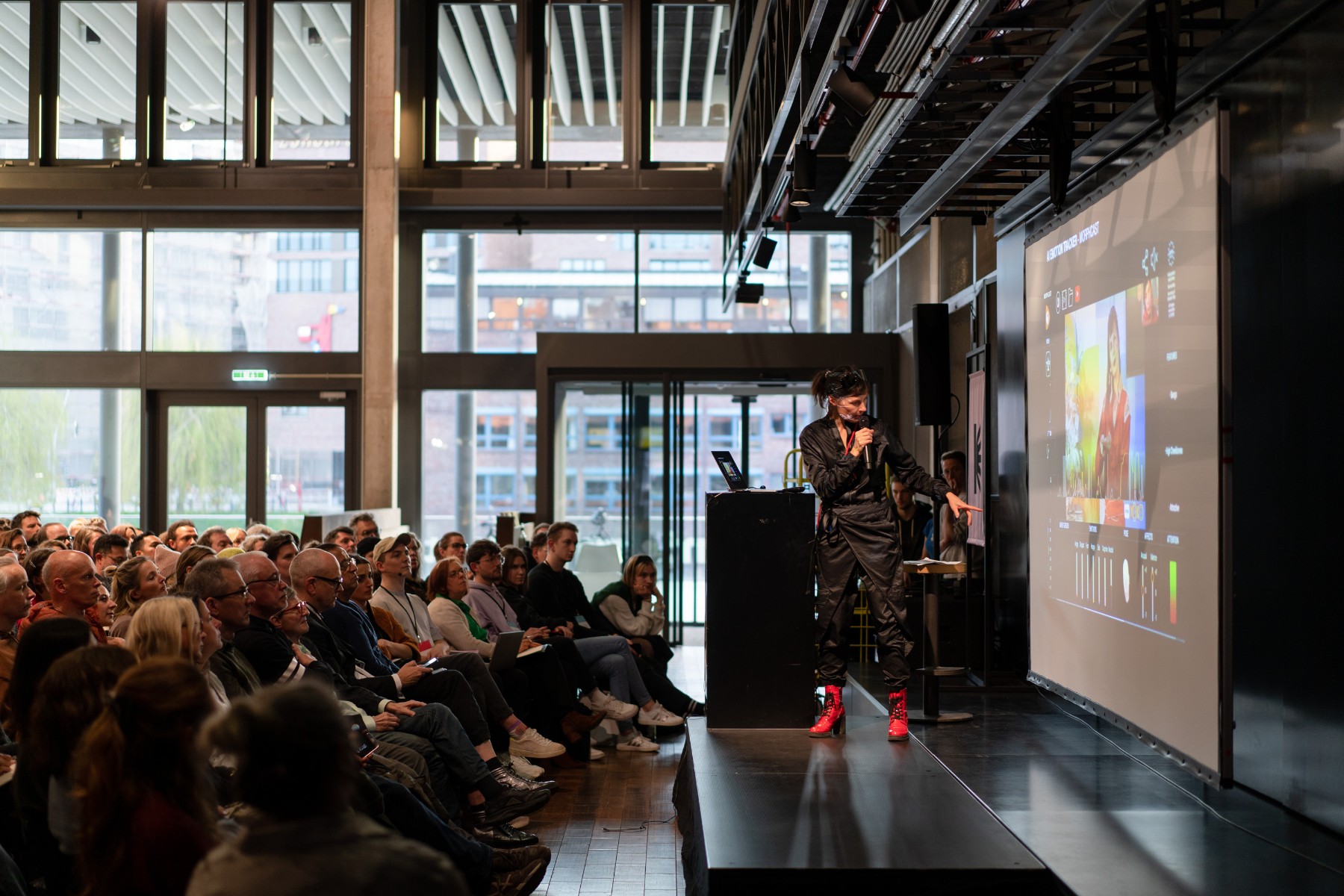
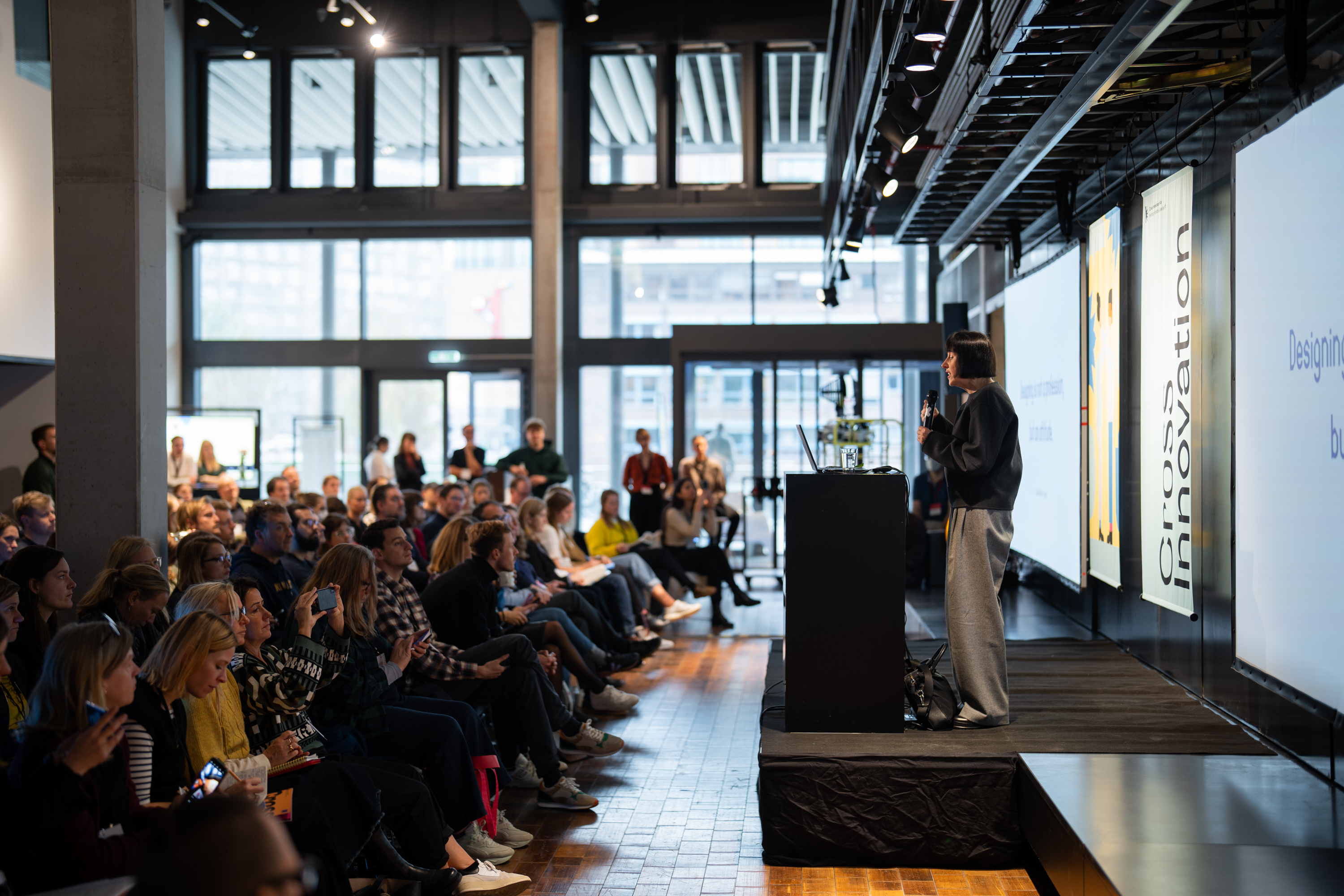
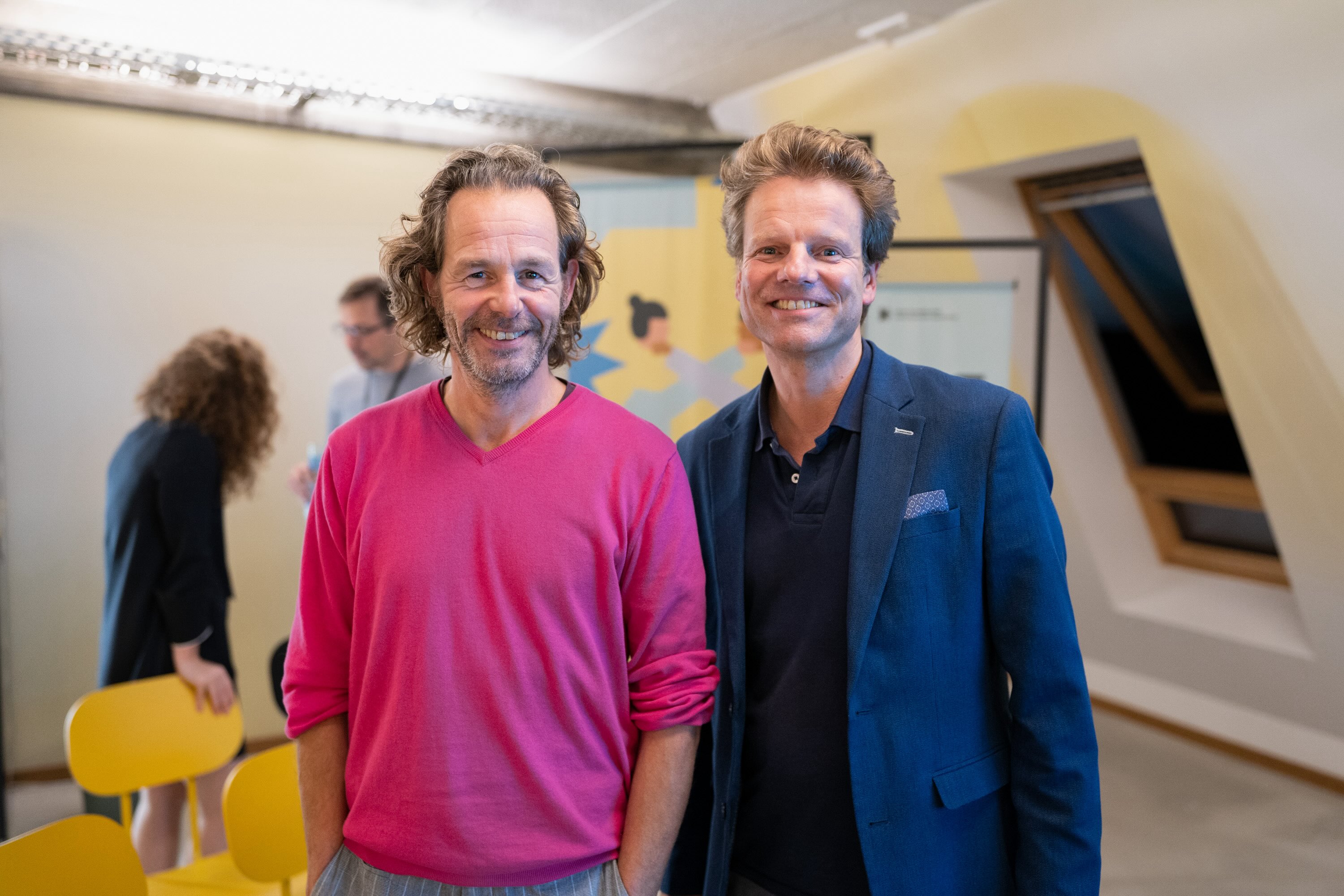
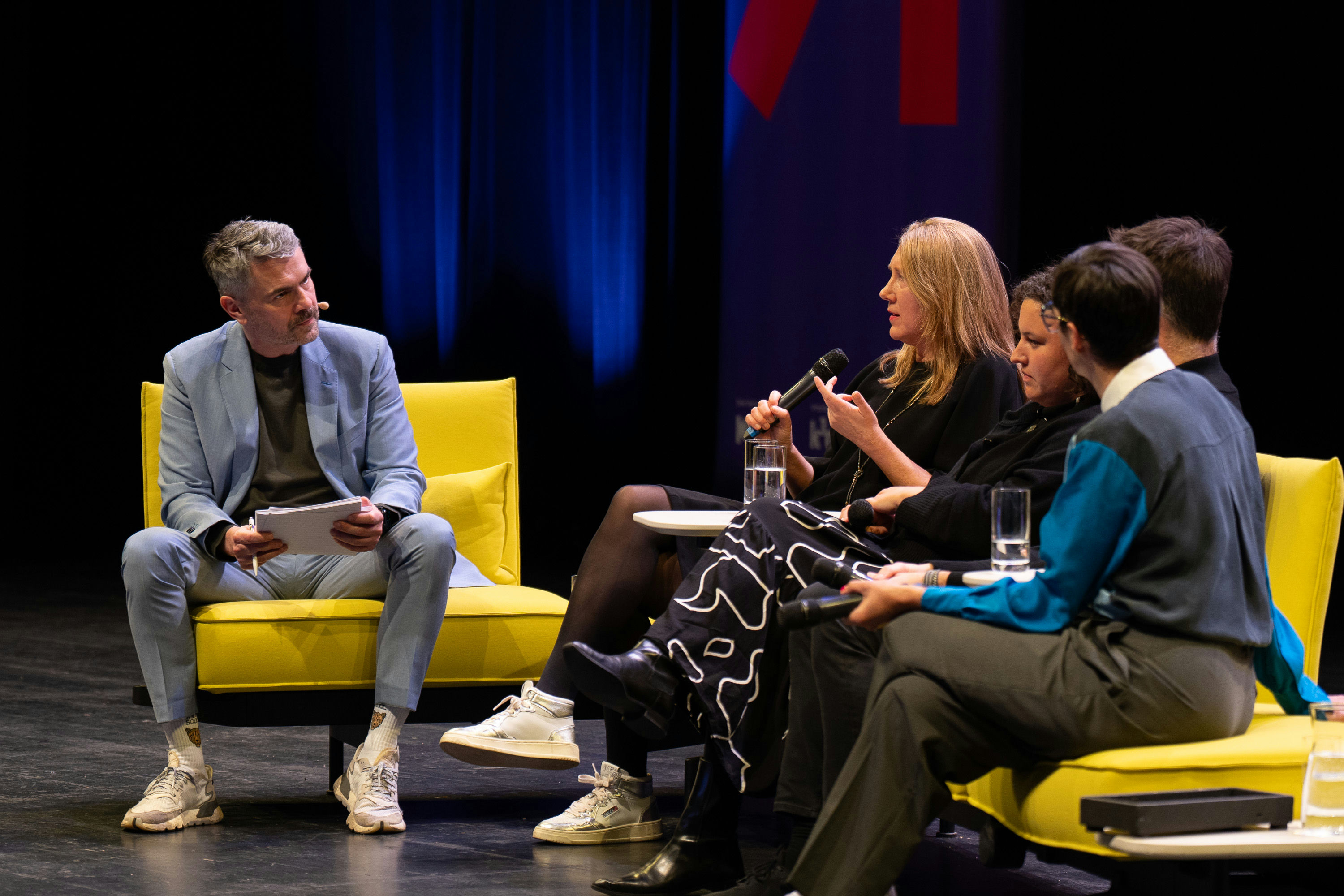
Stephan Vogel was a guest at the German Creative Economy Summit in Hamburg in March 2024.
What influence does creativity have on innovation and therefore the economic success of companies? Stephan Vogel
What influence does creativity have on innovation and therefore the economic success of companies? Stephan Vogel's keynote speech provided the audience with answers.

How does this change the work of creative agencies?

At Ogilvy, we are systematically experimenting with AI on thousands of new playing fields. For simple tasks such as optimising media playout and for more complex work such as pack shots. In the past, taking photos of a simple water bottle required light, cameras and many, many people - it was an extremely time-consuming process. With the help of AI, such assets can be generated much more quickly.

And with moving images?

Likewise. If we have an idea for a film in which Jennifer Lawrence walks through a very expensive hotel lobby in a blue dress and I want to capture these images as the cameraman from "House of Gucci" would shoot them, the AI offers us three or four alternatives within a few minutes. I can then tweak them further. Illustrators used to need days for such imaging processes.

"Successful communication requires insights into life and usage situations. We humans will probably retain this advantage for a long time to come."

What about texts?

Using ChatGPT for scripts has been disappointing so far. There is a lack of real originality. The various text genres and art forms are simply processed. The AI does create something like a limerick, i.e. a short, joking poem, but it's all still very well-behaved and uninspired.

Where should young creative talents position themselves now if they don't want to be superfluous tomorrow?

Most likely at the forefront of conceptual ideas. After all, brands still communicate with people and vice versa. As humans, we simply understand needs and psychologies better. Young parents understand young parents. People with bald heads understand more about hair growth products. Not even people with hair understand this topic as well as people without. So how is an AI supposed to understand this? Successful communication requires insights into life and usage situations. We humans will probably retain this advantage for a long time to come.

"Creatives need to get out of the artistic ivory tower, into collaboration mode and work together with engineers on projects that make a difference."

Where can companies open up even more to creative minds?

In product development. Creative minds and communication experts should be even more involved here. This is the only way to create the interactivity and intuitive operation that makes the difference in connective technology today. In German car development, for example, everyone is still doing their own thing. If you switch from one model to another, you really have to get used to it. With a Polestar, on the other hand, everything already feels like an iPhone because of all the apps. It is much more in line with how we use other devices. Products could therefore be improved enormously if companies involved creative people at an earlier stage, because development would then be more communication-driven and less technology-driven.

Do you think creatives are also prepared to take on a more active role in companies?

Unfortunately, I often see a disdain for commerce and economic activity among creatives. We need to abandon this attitude and demarcation. Creatives need to get out of the artistic ivory tower, into collaboration mode and work together with engineers on projects that make a difference. Creatives can make a huge contribution to making technology simple, intuitive, human-centred and attractive.

About the person

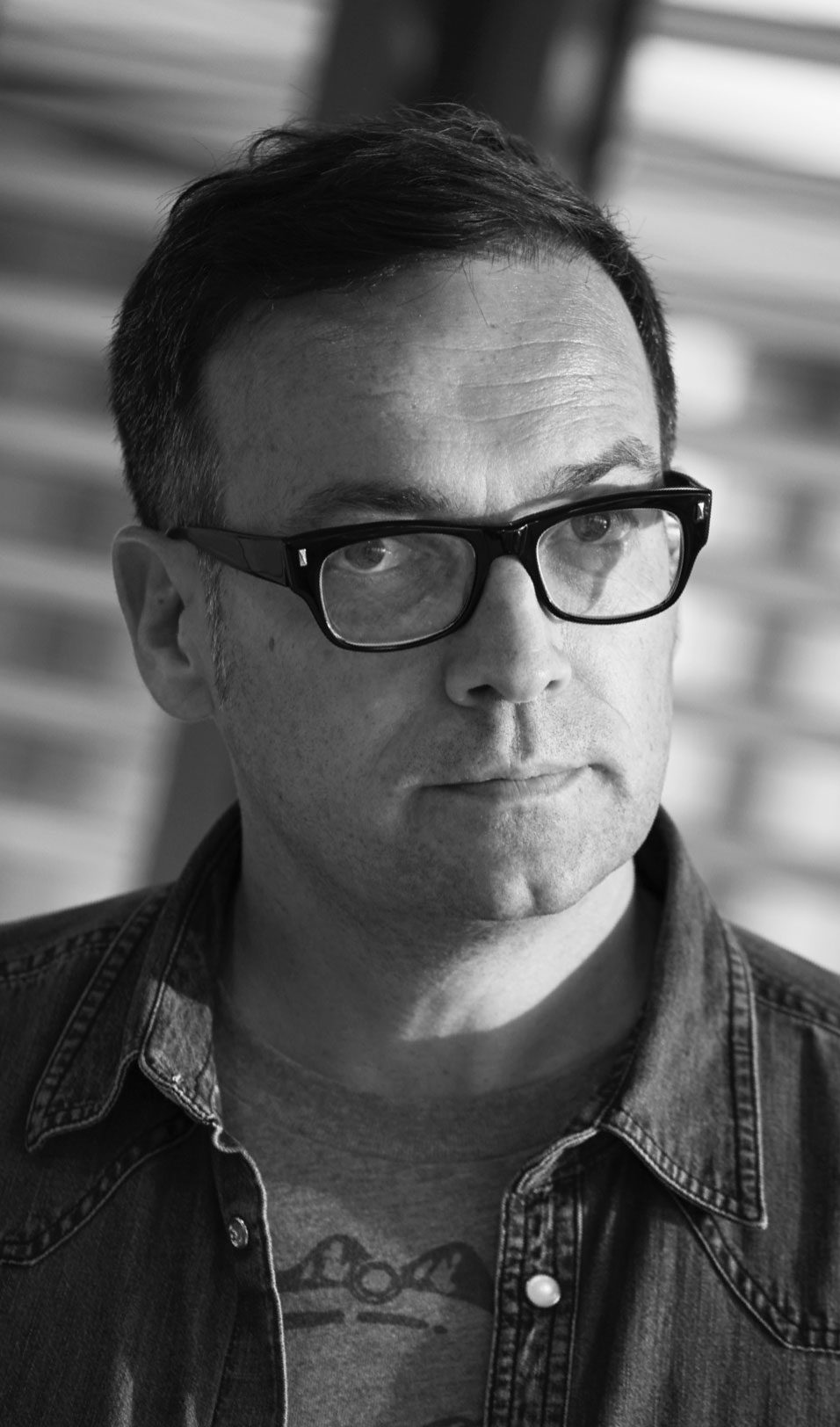
As Chief Creative Officer of Ogilvy EMEA (Europe, Middle East, Africa), Dr Stephan Vogel is responsible for more than 50 offices in 35 countries. He is also Creative Chairman of Ogilvy Germany. Dr Vogel, who holds a doctorate in emotion psychology, began his career in the creative industry as a copywriter. he joined Ogilvy in 1997. Vogel is a member of the Art Directors Club (ADC) and was ADC President from 2012 to 2018. Under his leadership, Ogilvy EMEA has won 124 Cannes Lions in the last three years.

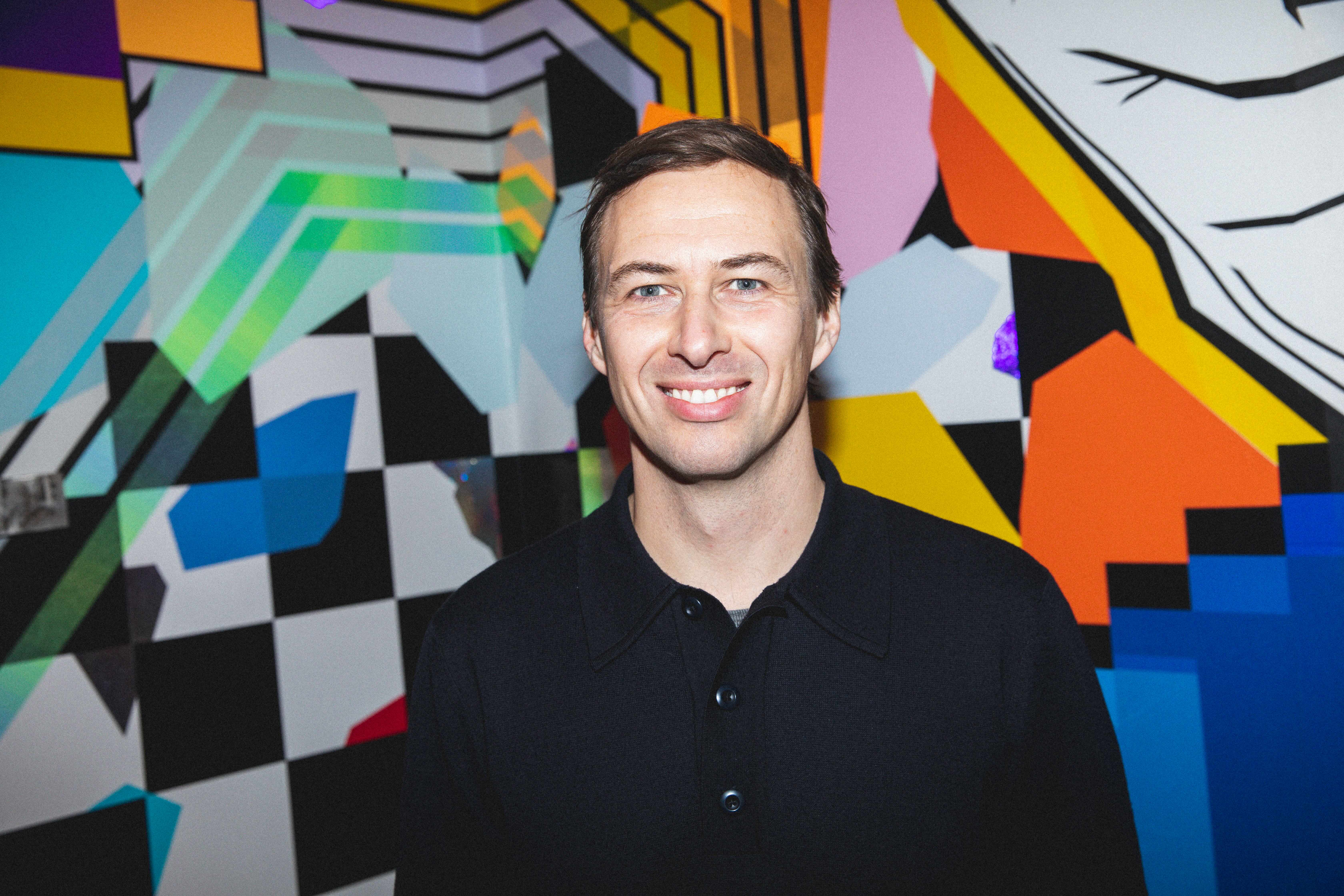
Dr Stephan Vogel

Dr Stephan Vogel

Chief Creative Office, Ogilvy EMEA

Mehr zum Thema

Visions that work: Driving innovation with visions of the future

Visions that work: Driving innovation with visions of the future

Transformation needs visions of the future: Simone Kaiser from Fraunhofer IAO on socially accepted change, trends and how creative minds enrich the process.

Learn more
Learn more
Visions that work: Driving innovation with visions of the future

Visions that work: Driving innovation with visions of the future

Transformation needs visions of the future: Simone Kaiser from Fraunhofer IAO on socially accepted change, trends and how creative minds enrich the process.

Learn more
Learn more
"The creative industries need entrepreneurship"

"The creative industries need entrepreneurship"

In this interview, Prof Elmar Konrad explains why entrepreneurship is essential for creative professionals - and how university education can better prepare creative professionals for it.

Learn more
Learn more
Really good stuff: How do we get people excited about cross innovation?

Really good stuff: How do we get people excited about cross innovation?

An interview with Claudia Köhler, who develops innovative programmes at the Thuringian Agency for the Creative Industries and shows why companies and creative professionals can achieve more together.

Learn more
Learn more
Was Senior-Kreative von der Gen Z lernen können – und andersherum

Was Senior-Kreative von der Gen Z lernen können – und andersherum

Sinnhaftigkeit, Verbindlichkeit und Druck – die Juniors und Seniors der Kreativwirtschaft blicken unterschiedlich auf diese Faktoren. Ein Problem ist das nicht, finden Ingmar Bartels und Patrik Sünwoldt.

Learn more
Learn more
Ulrich Erdmann is interviewed

"Creativity arises where rules are broken."

Companies should dare to innovate more in order to remain competitive in the digital age, says Ulrich Erdmann. In this interview, the AI expert from the Cross Innovation Hub's pool of creative minds explains why this works best in mixed teams.

Learn more
Learn more
"I found it exciting to be lost" - Cross Innovation with DESY

"I found it exciting to be lost" - Cross Innovation with DESY

In the Cross Innovation Lab with the scientific institution DESY and HAW Hamburg, creative minds and researchers are setting off together. The goal: an oasis.

Learn more
Learn more
JvM builds its own AI tool - and continues to count on creative minds

JvM builds its own AI tool - and continues to count on creative minds

Robert Andersen, Managing Creative Director at Jung von Matt CREATORS, and his team optimise creative processes - for example with the AI tool STABLES. A conversation about impact and potential.

Learn more
Learn more
"If we penalise disruption, we are dead as a society"

"If we penalise disruption, we are dead as a society"

Creatives are driving social transformation, as journalist and author Wolf Lotter writes - but they often have a hard time in large companies. A conversation about curiosity as the most important resource and the end of routine work.

Read the article
Read the article
Muse, product, assistant: the roles of AI in creative companies

Muse, product, assistant: the roles of AI in creative companies

What roles should AI play within a creative economy company? The experts at the German Creative Economy Summit provided some surprising answers.

To the article
To the article
How is AI changing the creative industries?

How is AI changing the creative industries?

Artificial intelligence is here to stay - but what impact will it have on the work of creative professionals? And why is this development particularly interesting for young professionals?

Listen
Listen
How cross innovation can make flying more sustainable

How cross innovation can make flying more sustainable

The furnishing of aircraft cabins is currently not very sustainable, as the individual parts are heavy and can hardly be recycled, says entrepreneur Dr Christian-André Keun. He wants to change this - together with designer Sebastian Mends-Cole.

To the article
To the article
How cross innovations expand the scope for new solutions

How cross innovations expand the scope for new solutions

The economy needs more cross innovations. Fraunhofer expert Dr Daniel Strecker explains in an interview why this is the case and what exactly the benefits are.

To the article
To the article
„Eine KI, die gut funktioniert, heißt einfach nur Software"

„Eine KI, die gut funktioniert, heißt einfach nur Software"

KI & Co-Creation: Sechs Insights, die Kreative jetzt kennen müssen.

To the article
To the article
"Those who kill also have the responsibility to save"

"Those who kill also have the responsibility to save"

From insect killer to insect rescuer: How the entrepreneur Dr Hans-Dietrich Reckhaus found meaning, attitude and a new business model through two artists.

Learn more
Learn more

Wir verwenden Cookies, um externe Inhalte anzeigen zu können. Sie können unter “Einstellungen” der Erhebung von Nutzerdaten widersprechen. Weitere Informationen erhalten Sie in unserer Datenschutzerklärung.

Wir verwenden Cookies, um externe Inhalte anzeigen zu können. Sie können unter “Einstellungen” der Erhebung von Nutzerdaten widersprechen. Weitere Informationen erhalten Sie in unserer Datenschutzerklärung.

Your cookie preferences have been saved.