Muse, product, assistant: the roles of AI in creative companies

What roles should AI play within a creative economy company? The experts at the German Creative Economy Summit provided some surprising answers.

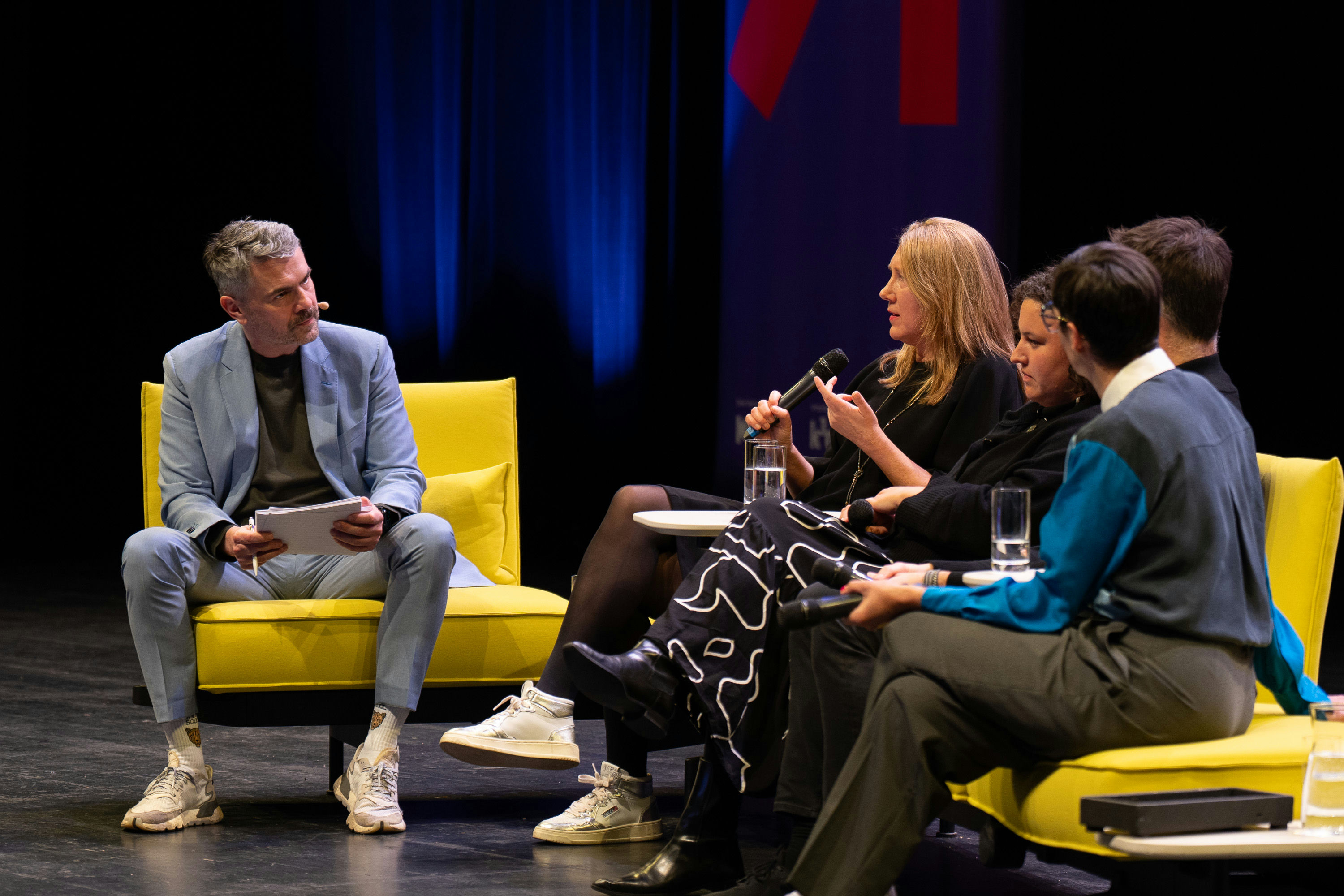
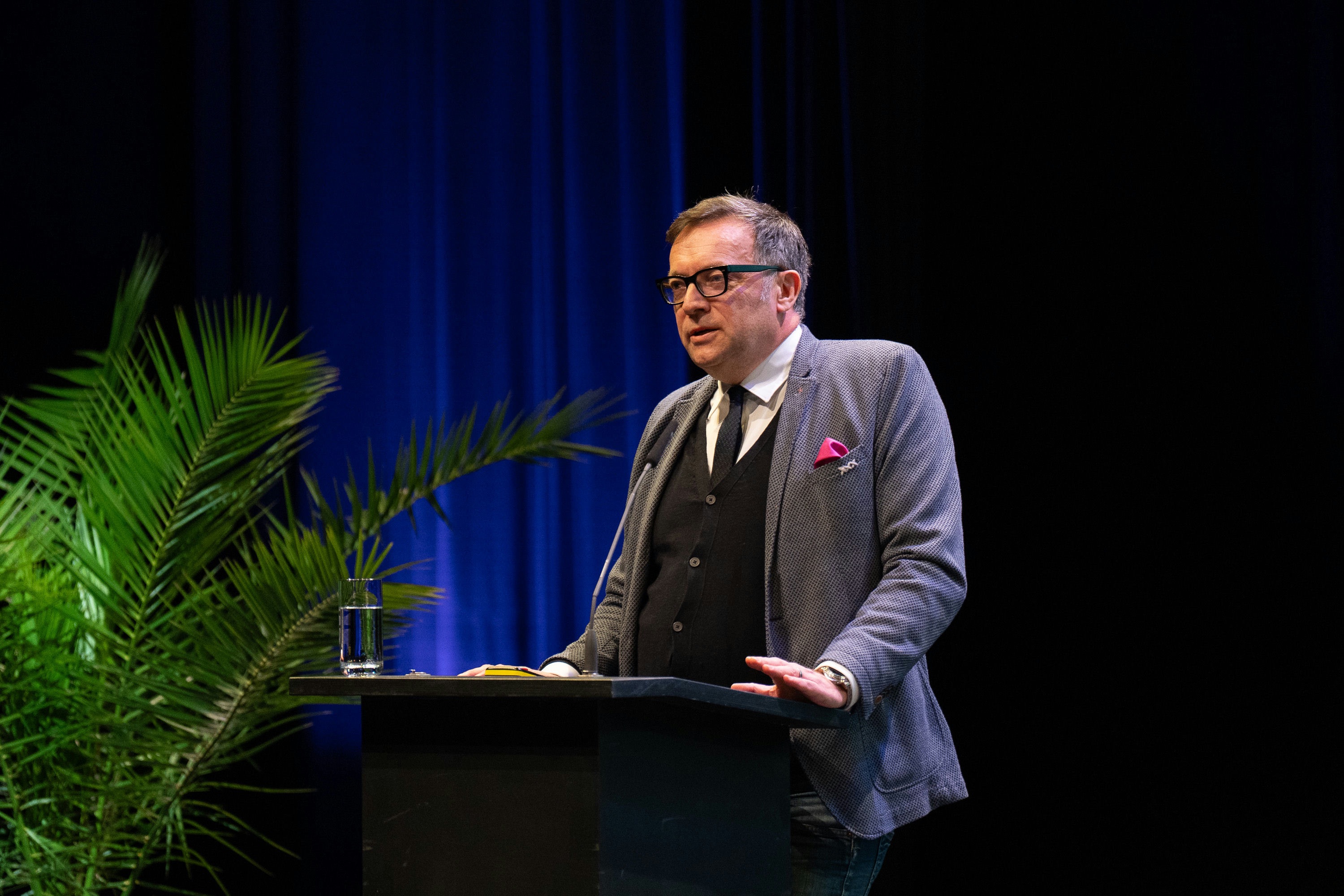
Gen AI is here and with it the question of what role it should play within a creative business. Experts from all 11 submarkets provided answers at the German Creative Economy Summit (GCES). While risks are assessed differently, the speakers agreed: whether solo self-employed, SMEs or large companies, AI is crucial for the economic success of the future - if it is used correctly.

AI as a muse

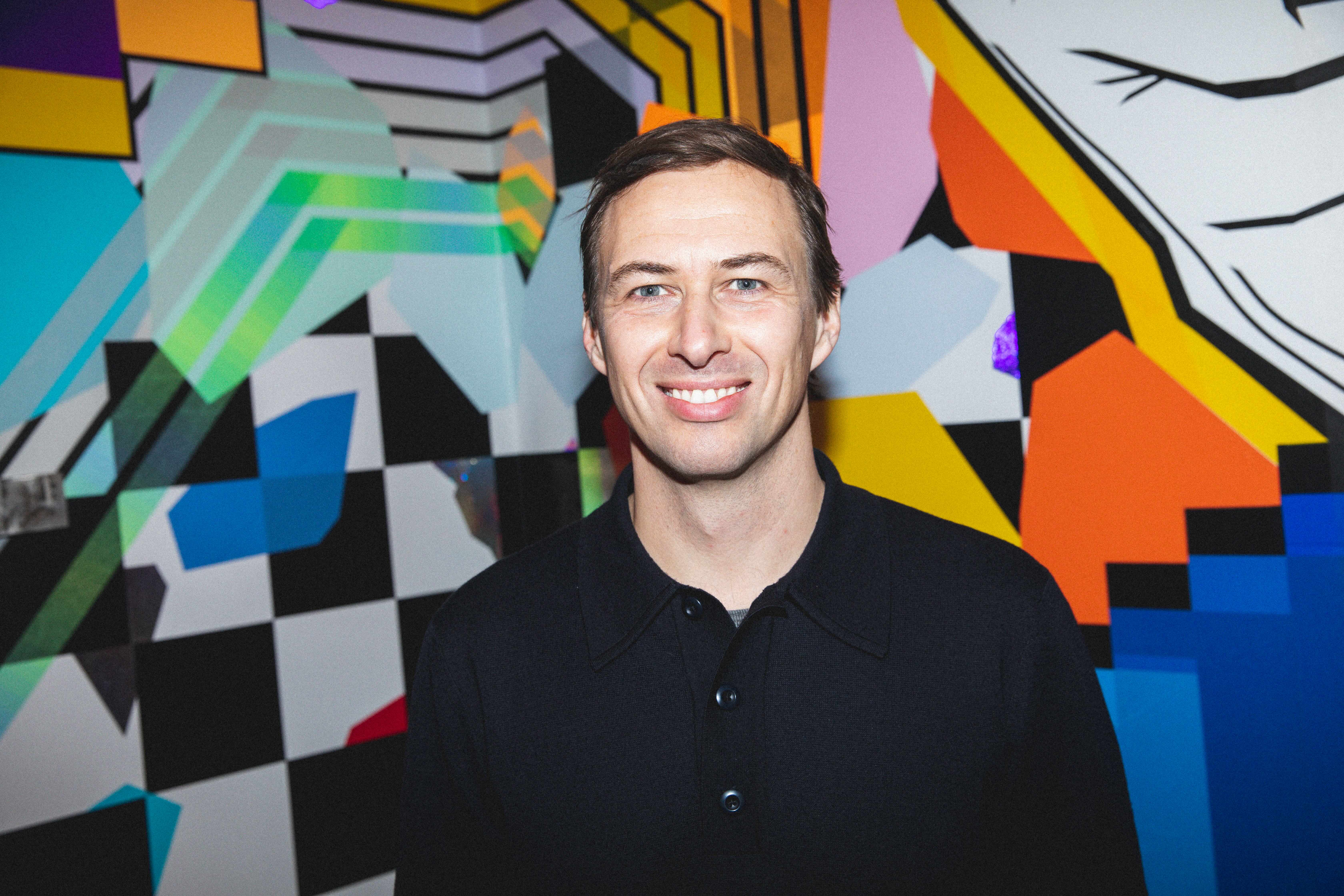
Creative crises, a lack of inspiration, outdated routines: creative people need ideas that shake them up. One example is smiling on stage K6 at GCES: artist Roman Lipski, who pulled himself out of a creative crisis back in 2016 with the help of AI. Back then, Birds on Mars, a Berlin-based AI agency, programmed an AI muse for the Polish painter, from which Lipski was to draw visual inspiration.

The painter experimented more boldly with colours and shapes, the AI as muse changed his painting style.

Roman Lipski

The speciality: The AI used his own works. This resulted in new paintings that were coherent with his oeuvre as a whole - and yet left the artistic path that Lipski had previously followed. The painter experimented more boldly with colours and shapes, the AI as muse changed his painting style. This approach even turned him into a conceptual artist.

"I lost all my collectors back then," says Roman Lipski, describing the risky decision. Nevertheless, he does not regret it: AI was the guide through his crisis. "In art, seventy per cent is thinking and thirty per cent is painting," is how he describes his creative process - and AI supported him in the seventy per cent that still has little to do with the brushstroke.
Although he lost all his collectors, the painter Roman Lipski does not regret his decision to use AI as his muse.

Today, the artist warns inexperienced artists not to get too involved with AI-generated art. Experience with and confidence in one's own oeuvre are an advantage, as generative "creativity" can lead to artistic stagnation, while the enthusiasm can be overwhelming. Those who manage to see AI as a muse - and not as a substitute for their own work - can utilise it in a pioneering way.

AI as a product

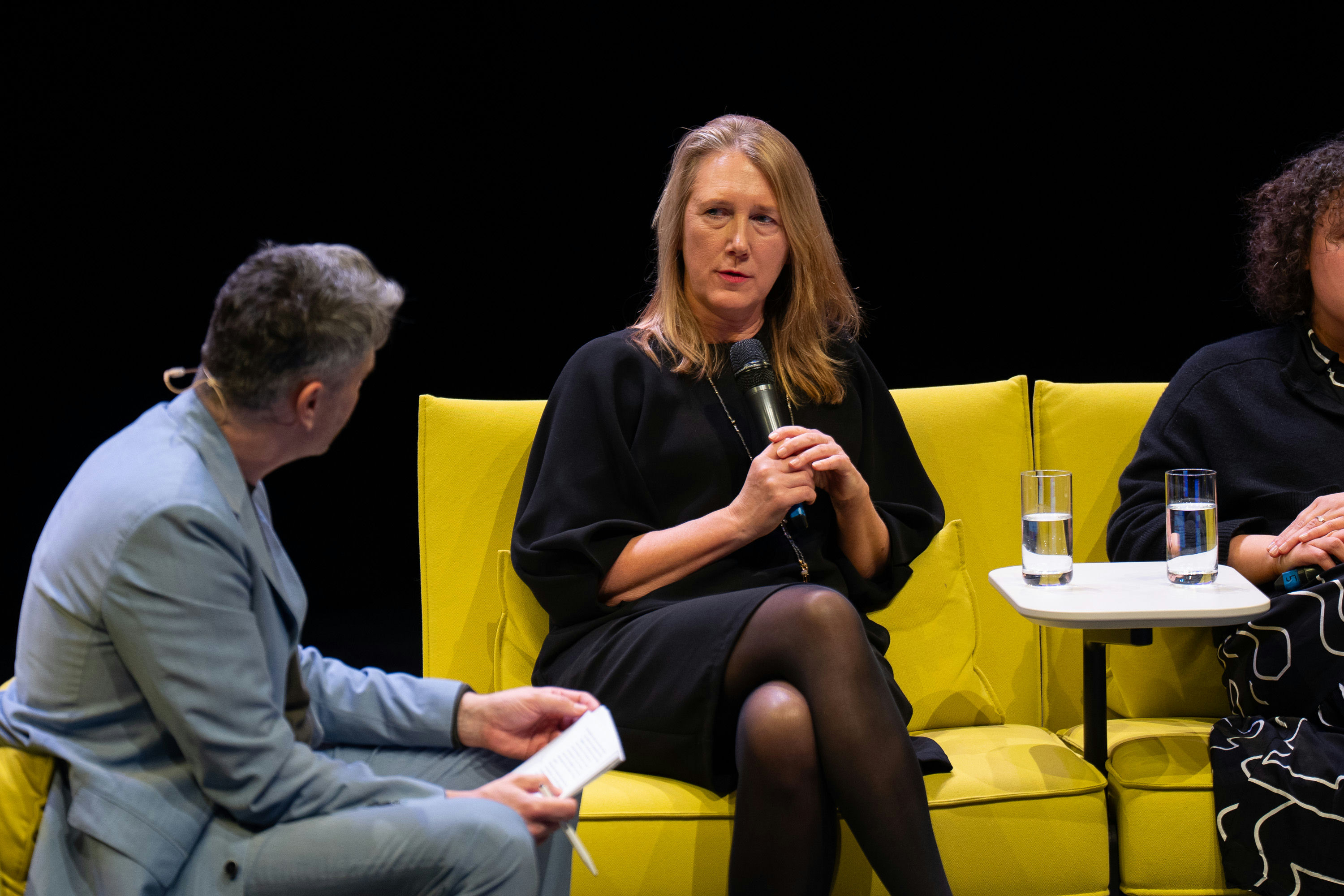
"AI can do that now": a sentence that neither agency bosses nor freelancers want to hear. The threat of generative AI is on everyone's lips and it is not uncommon for players in the creative industries to be portrayed as the victims. "It is important to act as an advisory body, not as a victim of this development," says Larissa Pohl, strategist at WPP Open X and honorary president of the GWA. Although this means a massive financial, personnel and time investment in the tools initially, the marketing expert emphasises, in the long term it secures the positioning of creatives in their industry.
"Don
"Don't appear to be a victim of developments," advises Larissa Pohl, strategist at WPP Open X and honorary president of the GWA.
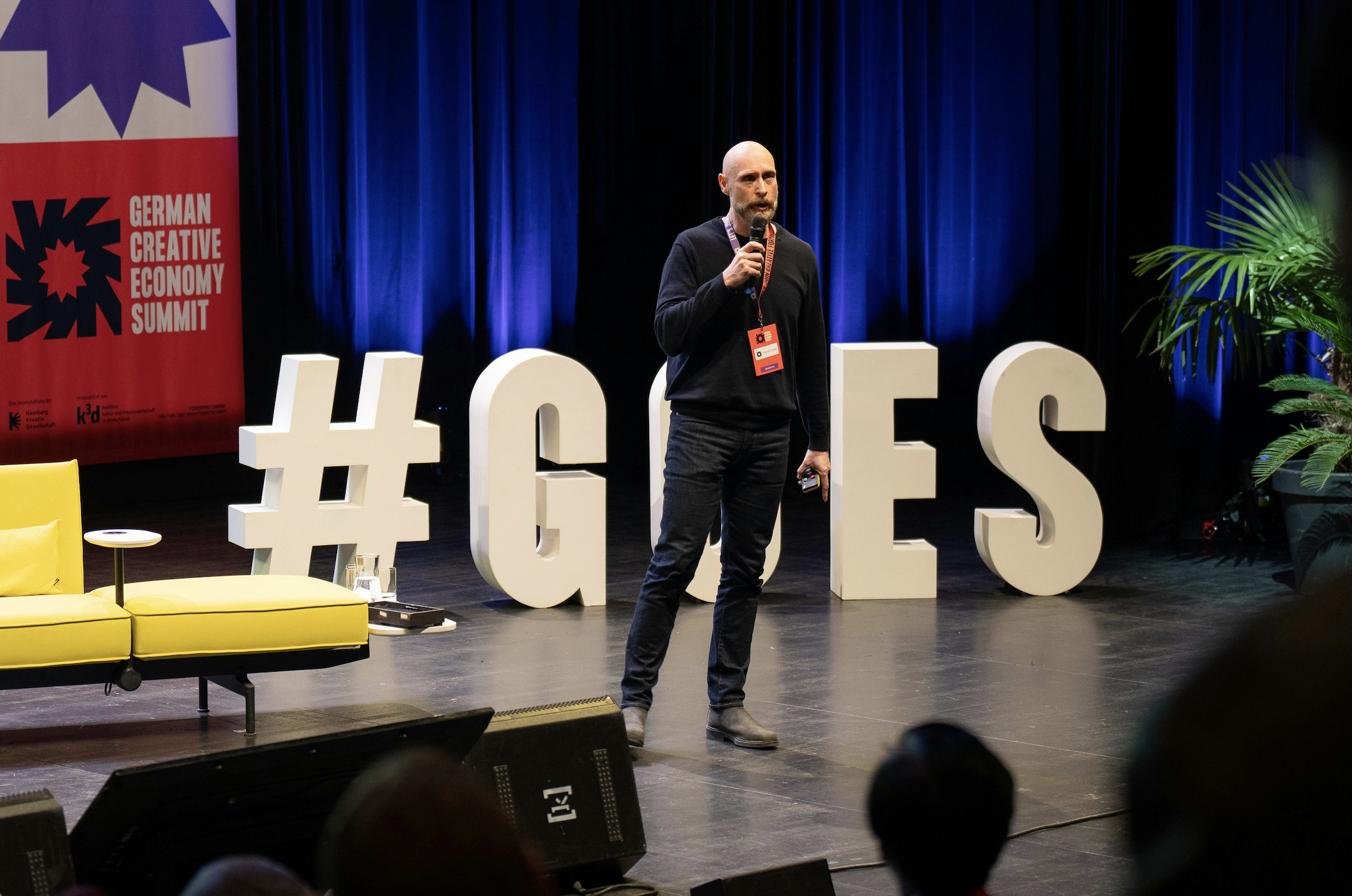
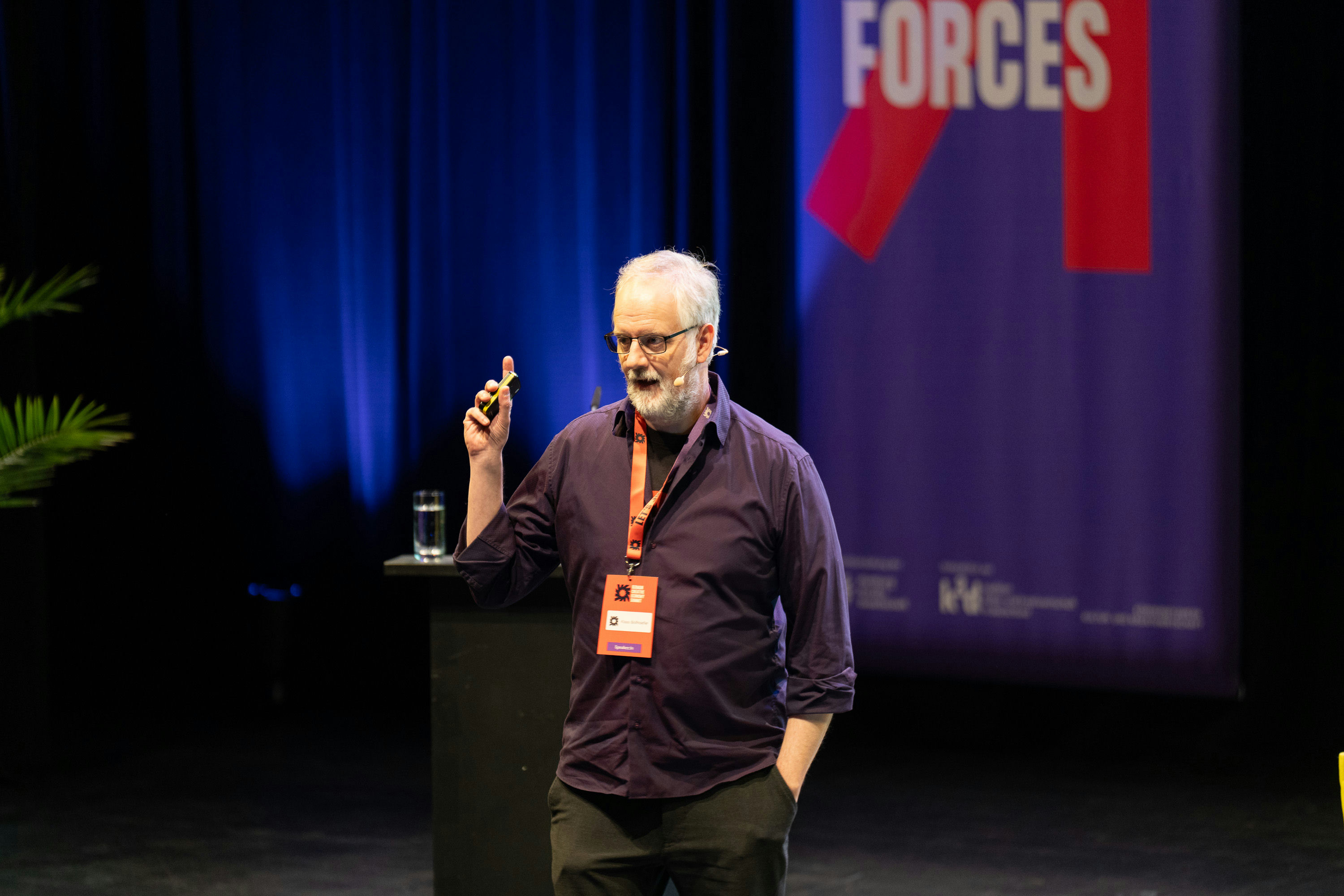
Whoever masters the tools wins, says Klaas Bollhoefer, Chief Strategist at Birds on Mars.

Klaas Bollhoefer also defuses the "man-versus-machine narrative", in which creative professionals can only lose in the fight against the advance of AI. "This narrative is only valid as long as we don't understand the machine," says the AI expert, founder and Chief Strategist of Birds on Mars, and calls for an intensive debate. Those who not only view AI as an internal resource, but also turn the safe use of the new tools into a usable service, will secure themselves a place at the industry table despite changing requirements.

AI as an assistant

In the controversial discourse of the creative industries, even critical positions can usually agree on one thing: One opportunity for AI lies in increasing efficiency to make processes faster, cheaper and less prone to errors. AI can, should and will take over time-consuming, repetitive tasks in order to free up human resources for other tasks. The use of non-generative AI in particular is an important resource for freelancers and large companies in the industry sectors alike.

"If we as humans expect another human, there should also be one in the future."

Lisa Steigertahl, Microsoft

But which activities should be outsourced in future? Lisa Steigertahl, Senior Innovation Strategist in the Public Sector division at Microsoft, has a simple rule of thumb: "If we as humans expect another human to be there, there should be one in the future." For example, the personal feedback meeting or physical stage performance should not be replaced. Sending the monthly payslip, routine email correspondence or stocktaking can also be done without human intervention. "AI is there to recognise and reproduce patterns. In future, humans will be responsible for what happens outside of these patterns - for what is new and outstanding," says Sven Bliedung von der Heide, CEO at Volucap, describing the areas of application.
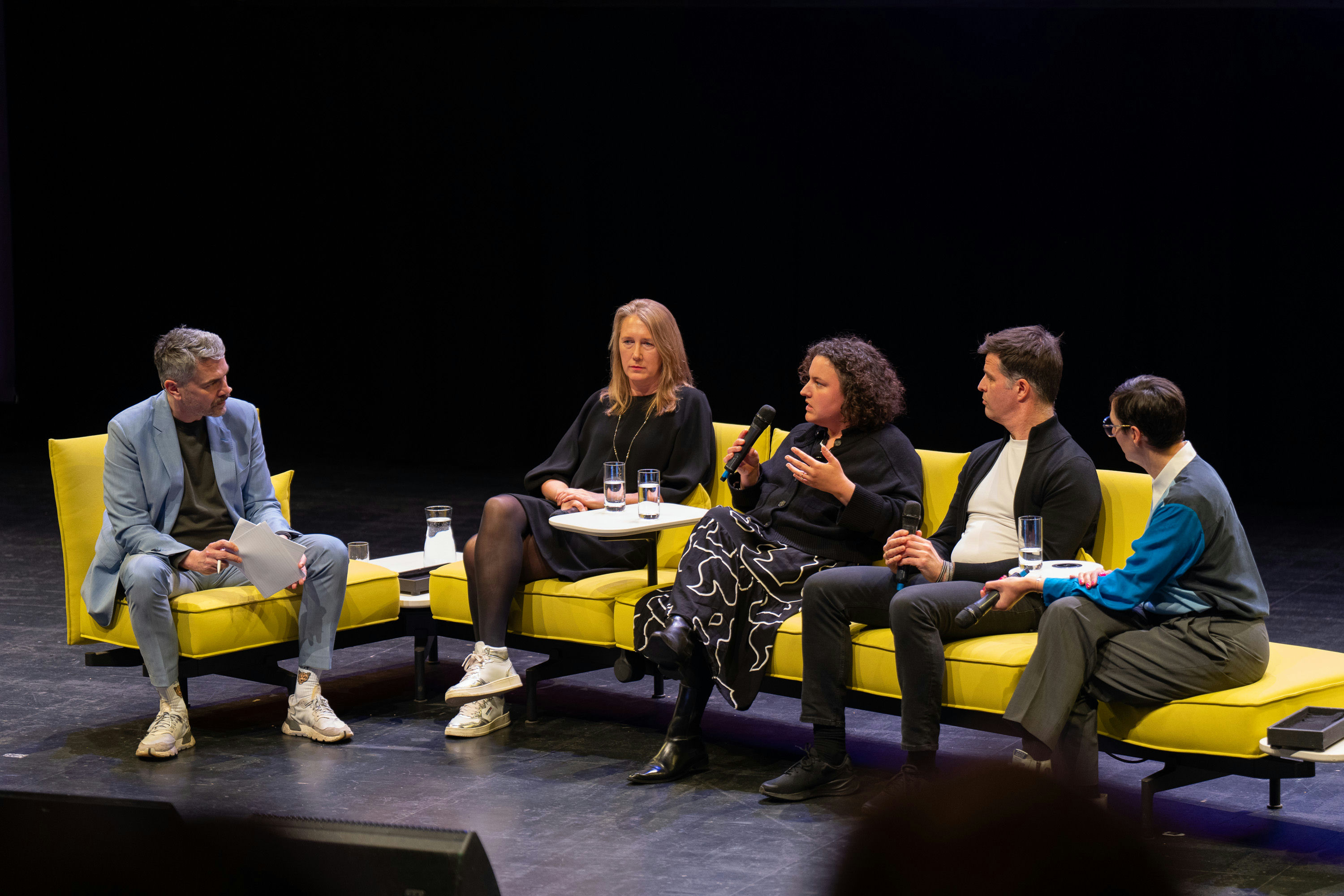
Lisa Steigertahl, Senior Innovation Strategist at Microsoft, will continue to conduct feedback meetings in person in future.
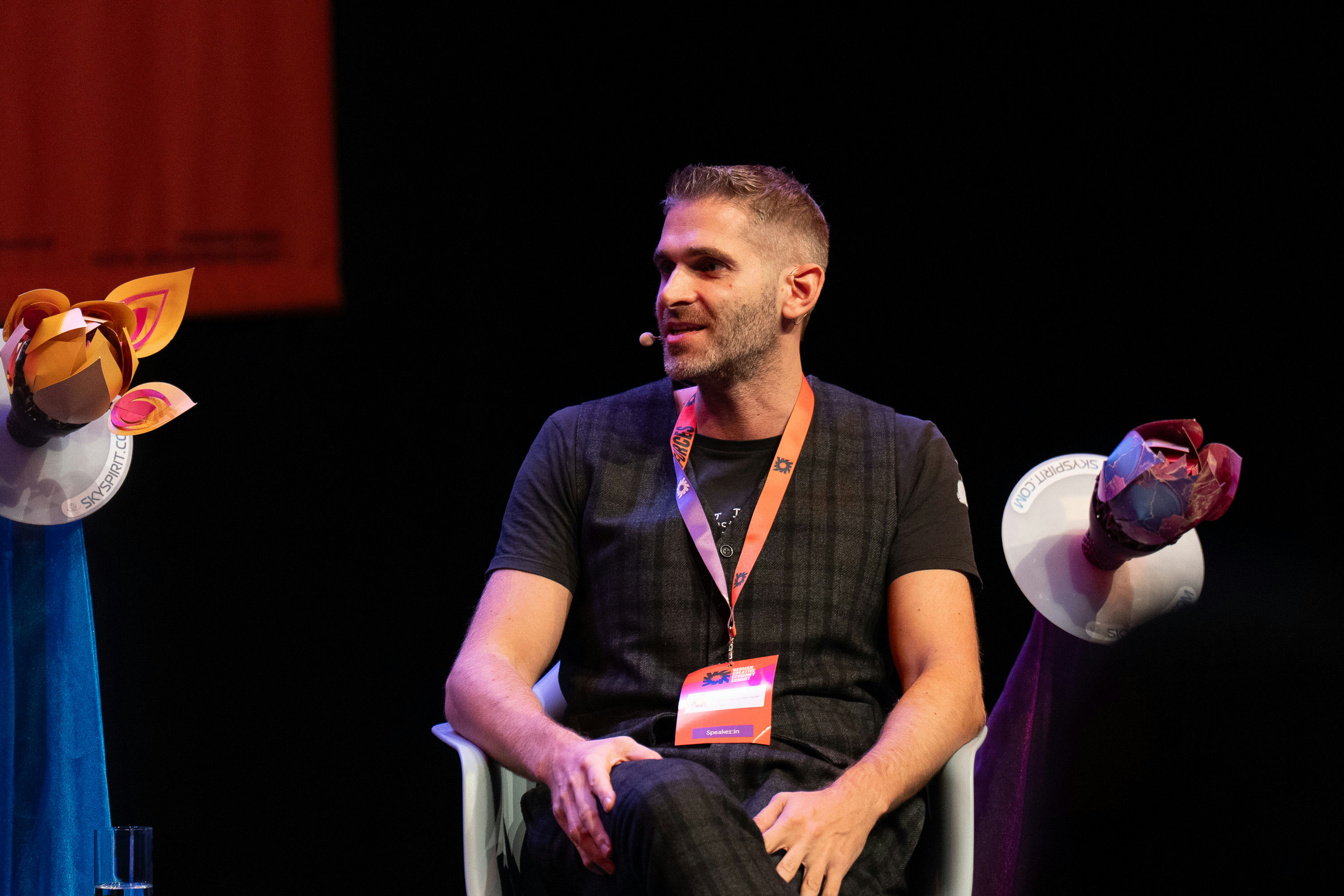
AI recognises patterns, people have ideas, says Sven Bliedung von der Heide, CEO of Volucap.

A practical example: founder Jochen Adler runs kompreno, a company that "would not be possible without AI". The start-up translates journalistic texts and makes them accessible to readers in various European countries. The AI takes care of the translation, but the responsibility remains with kompreno. "Our AI takes over 99% of the process, but we don't hand over the crucial one per cent," says Adler, ensuring that the journalists' work is protected - and that they can rely on a human to approve the end product.

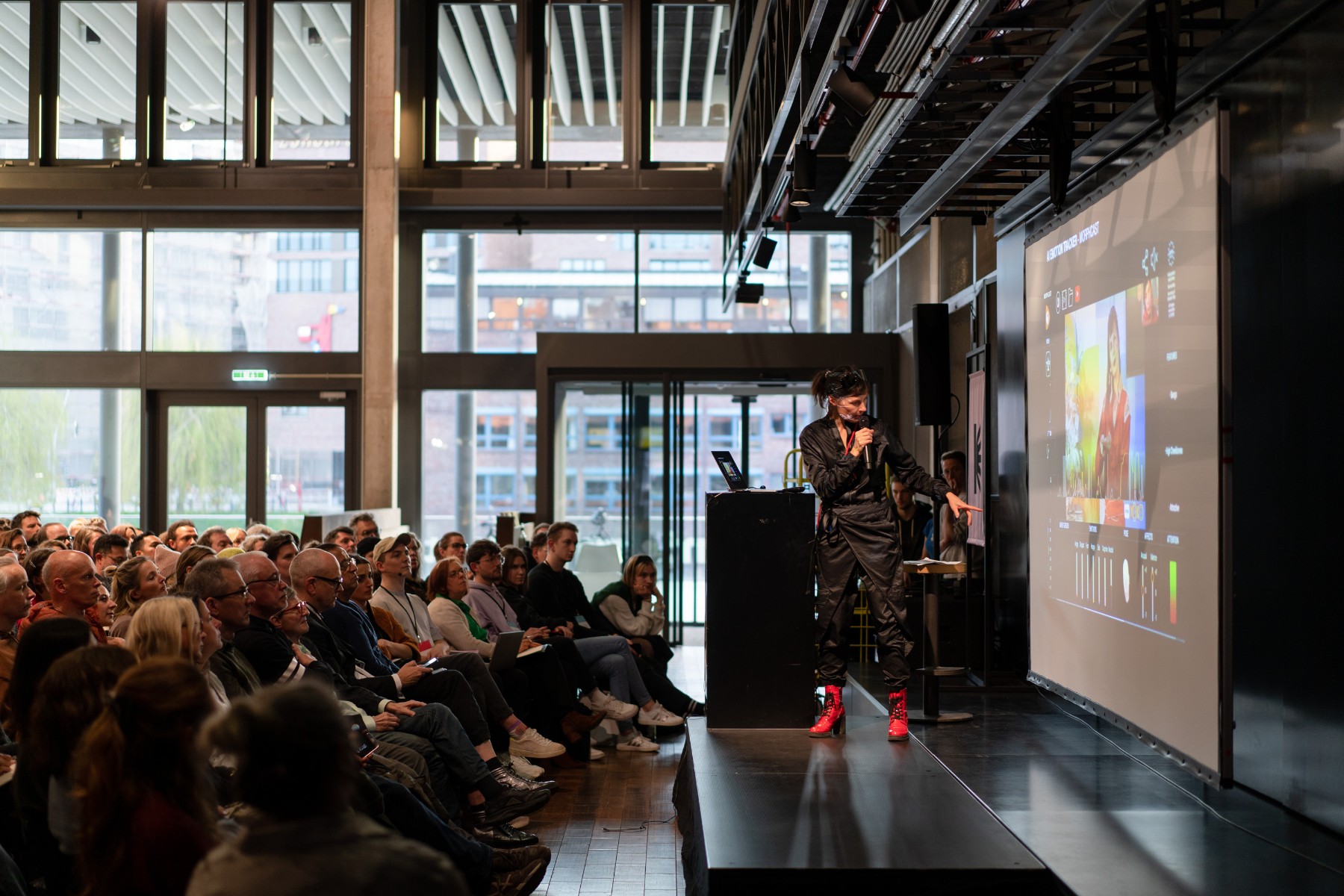
Those who use AI as an assistant for time-consuming, repetitive tasks without completely relinquishing responsibility free up important resources for their own creative work, for which humans will continue to be responsible in the future.
More on the topic

Visions that work: Driving innovation with visions of the future

Visions that work: Driving innovation with visions of the future

Transformation needs visions of the future: Simone Kaiser from Fraunhofer IAO on socially accepted change, trends and how creative minds enrich the process.

Learn more
Learn more
Visions that work: Driving innovation with visions of the future

Visions that work: Driving innovation with visions of the future

Transformation needs visions of the future: Simone Kaiser from Fraunhofer IAO on socially accepted change, trends and how creative minds enrich the process.

Learn more
Learn more
"The creative industries need entrepreneurship"

"The creative industries need entrepreneurship"

In this interview, Prof Elmar Konrad explains why entrepreneurship is essential for creative professionals - and how university education can better prepare creative professionals for it.

Learn more
Learn more
Really good stuff: How do we get people excited about cross innovation?

Really good stuff: How do we get people excited about cross innovation?

An interview with Claudia Köhler, who develops innovative programmes at the Thuringian Agency for the Creative Industries and shows why companies and creative professionals can achieve more together.

Learn more
Learn more
Was Senior-Kreative von der Gen Z lernen können – und andersherum

Was Senior-Kreative von der Gen Z lernen können – und andersherum

Sinnhaftigkeit, Verbindlichkeit und Druck – die Juniors und Seniors der Kreativwirtschaft blicken unterschiedlich auf diese Faktoren. Ein Problem ist das nicht, finden Ingmar Bartels und Patrik Sünwoldt.

Learn more
Learn more
Ulrich Erdmann is interviewed

"Creativity arises where rules are broken."

Companies should dare to innovate more in order to remain competitive in the digital age, says Ulrich Erdmann. In this interview, the AI expert from the Cross Innovation Hub's pool of creative minds explains why this works best in mixed teams.

Learn more
Learn more
"I found it exciting to be lost" - Cross Innovation with DESY

"I found it exciting to be lost" - Cross Innovation with DESY

In the Cross Innovation Lab with the scientific institution DESY and HAW Hamburg, creative minds and researchers are setting off together. The goal: an oasis.

Learn more
Learn more
JvM builds its own AI tool - and continues to count on creative minds

JvM builds its own AI tool - and continues to count on creative minds

Robert Andersen, Managing Creative Director at Jung von Matt CREATORS, and his team optimise creative processes - for example with the AI tool STABLES. A conversation about impact and potential.

Learn more
Learn more
"Creatives need to get out of the artistic ivory tower"

"Creatives need to get out of the artistic ivory tower"

As one of Europe's top advertisers, Ogilvy's Head of Creative Stephan Vogel is observing the digital revolution in the creative industry. His plea: creatives and technicians, unite! That way, talents will stay ahead of the game tomorrow despite AI.

Learn more
Learn more
"If we penalise disruption, we are dead as a society"

"If we penalise disruption, we are dead as a society"

Creatives are driving social transformation, as journalist and author Wolf Lotter writes - but they often have a hard time in large companies. A conversation about curiosity as the most important resource and the end of routine work.

Read the article
Read the article
How is AI changing the creative industries?

How is AI changing the creative industries?

Artificial intelligence is here to stay - but what impact will it have on the work of creative professionals? And why is this development particularly interesting for young professionals?

Listen
Listen
How cross innovation can make flying more sustainable

How cross innovation can make flying more sustainable

The furnishing of aircraft cabins is currently not very sustainable, as the individual parts are heavy and can hardly be recycled, says entrepreneur Dr Christian-André Keun. He wants to change this - together with designer Sebastian Mends-Cole.

To the article
To the article
How cross innovations expand the scope for new solutions

How cross innovations expand the scope for new solutions

The economy needs more cross innovations. Fraunhofer expert Dr Daniel Strecker explains in an interview why this is the case and what exactly the benefits are.

To the article
To the article
„Eine KI, die gut funktioniert, heißt einfach nur Software"

„Eine KI, die gut funktioniert, heißt einfach nur Software"

KI & Co-Creation: Sechs Insights, die Kreative jetzt kennen müssen.

To the article
To the article
"Those who kill also have the responsibility to save"

"Those who kill also have the responsibility to save"

From insect killer to insect rescuer: How the entrepreneur Dr Hans-Dietrich Reckhaus found meaning, attitude and a new business model through two artists.

Learn more
Learn more

Wir verwenden Cookies, um externe Inhalte anzeigen zu können. Sie können unter “Einstellungen” der Erhebung von Nutzerdaten widersprechen. Weitere Informationen erhalten Sie in unserer Datenschutzerklärung.

Wir verwenden Cookies, um externe Inhalte anzeigen zu können. Sie können unter “Einstellungen” der Erhebung von Nutzerdaten widersprechen. Weitere Informationen erhalten Sie in unserer Datenschutzerklärung.

Your cookie preferences have been saved.